Introduction
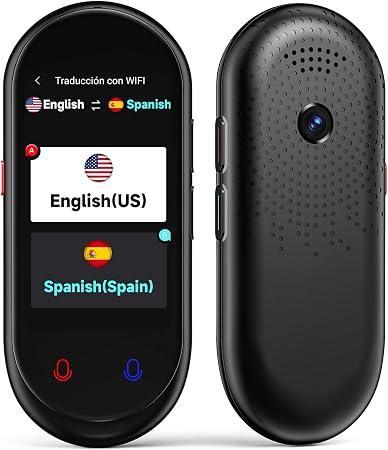
The Vormor Portable Offline Language Translator Device aims to be a vital travel companion for those navigating linguistic barriers. Designed to support a whopping 150 languages, its key selling point is offline translation without the need for WiFi—perfect for travelers who may not always have internet access. The device is also equipped with features like photo translation and voice recognition, which add to its versatility. But does it really deliver on these promises, especially when considering its price point?
Pros & Cons
- Pros
- Offline capability, eliminating the need for constant internet access.
- Supports 150 languages for both online and offline use.
- Compact and lightweight, making it easy to carry around on trips.
- Long battery life—up to 8 hours of continuous use.
-
High-definition touch screen for clear visibility and ease of use.
-
Cons
- Limited offline languages, with only 17 supported for offline translations.
- Photo translation is useful but not always foolproof or quick.
- Requires learning, not as intuitive as smartphones for some users.
- Audio quality can sometimes struggle in particularly noisy environments.
Comparison
For those on the market for a language translation device, there are several alternatives, including models from Pocketalk and Travis Touch. Pocketalk offers robust global translation capabilities but at a higher price point, and it requires a data plan for optimal functioning. Travis Touch, another competitor, boasts excellent translation features and uses SIM cards for communication, making it more reliant on network availability.
For the price, the Vormor device holds its own due to its offline capabilities, which provide value where other devices may incur additional costs for internet access. The photo translation and ChatGPT integration further distinguish it within its price bracket.
User Tips / Usage Guide
- Familiarize yourself with the touchscreen and button controls to fully benefit from its features before you hit the road.
- Charge the device fully before starting a trip to enjoy uninterrupted translation services.
- Practice with friends or use it in a casual setting at home to get accustomed to its voice recognition capabilities.
- Use headphones in noisy environments to ensure clarity in both understanding and communication.
- Keep the device well-stored in your pocket or bag to avoid accidental damage.
- Regularly update the device when possible to ensure you have the most recent and comprehensive language library.
- Experiment with different languages even at home to broaden your linguistic exposure.
- Utilize the photo translation features to help with reading menus and signs when traveling.
Conclusion
In conclusion, the Vormor Portable Offline Language Translator Device represents a practical choice for budget-conscious travelers who need reliable translation while minimizing dependency on WiFi. Where it really earns its keep is in its offline capabilities, a feature not many competitors provide at this price. Despite some limitations, such as the number of languages supported offline and average audio quality in noisy environments, it offers substantial value for those seeking ease and functionality without breaking the bank. It’s an investment that taps into modern technology, providing a perfect blend of affordability and capability for casual globe-trotters and language learners alike.